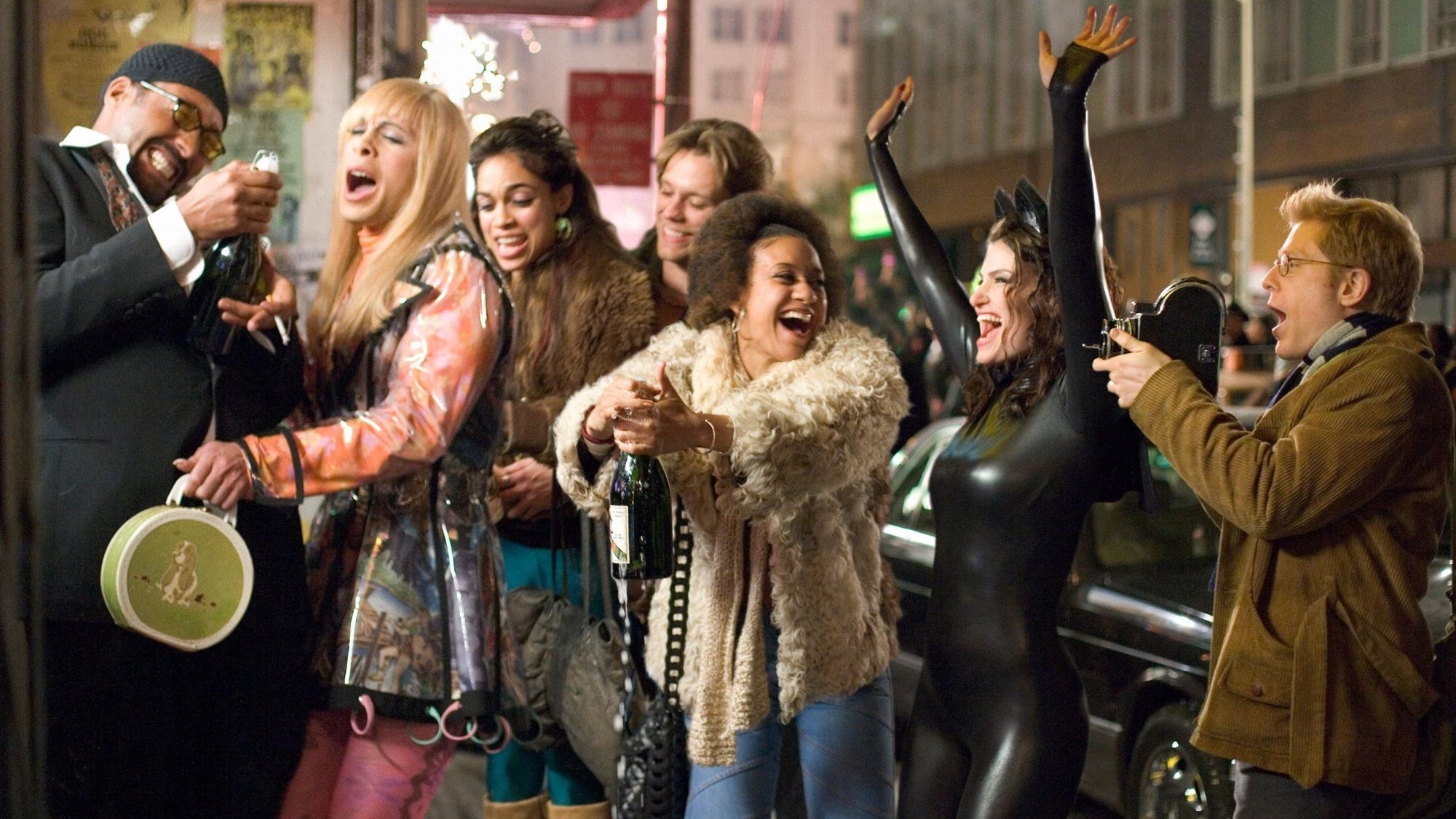
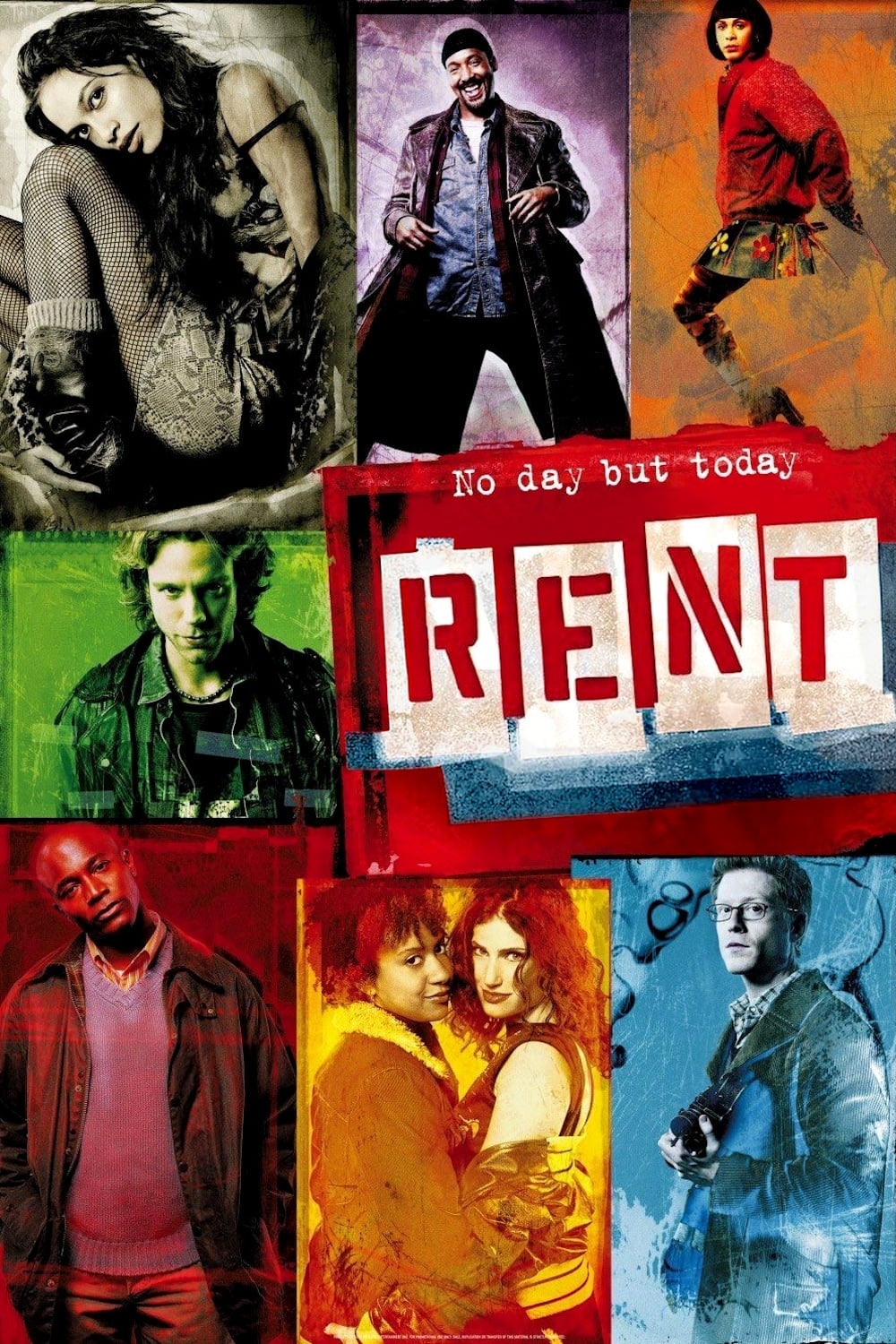
In New York City's gritty East Village, a group of bohemians strive for success and acceptance while enduring the obstacles of poverty, illness and the AIDS epidemic.
Budget: 40000000
A village drama about the tragic culmination of a forced marriage. The film was financed by a Brno company, which required interventions in the generally known original. The reason for moving the location of the action and rewriting the dialogues into the appropriate dialect was the idea of making the spectacular Vlčnov costumes more spectacular. Their distinctive color led the producers to the idea of filming several crowd costumed scenes (the wedding) on color material. However, the parts of the color copy processed abroad were not used in regular distribution. Another requirement was to emphasize the positive influence of the Catholic Church and have a more conciliatory conclusion.
An exploration of the cult of the genius, an anti-heroic figure who chooses to be a social outcast and live on the fringe of bourgeois morality.
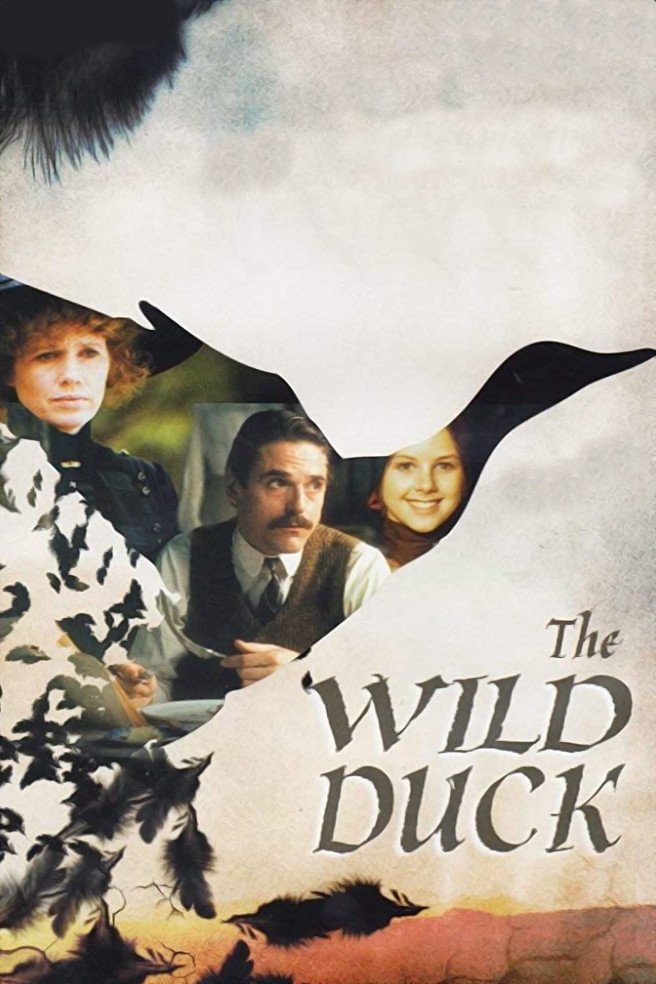
Ibsen's play, adapted to Australia, concerns a couple forced to answer for their daughter's legitimacy.
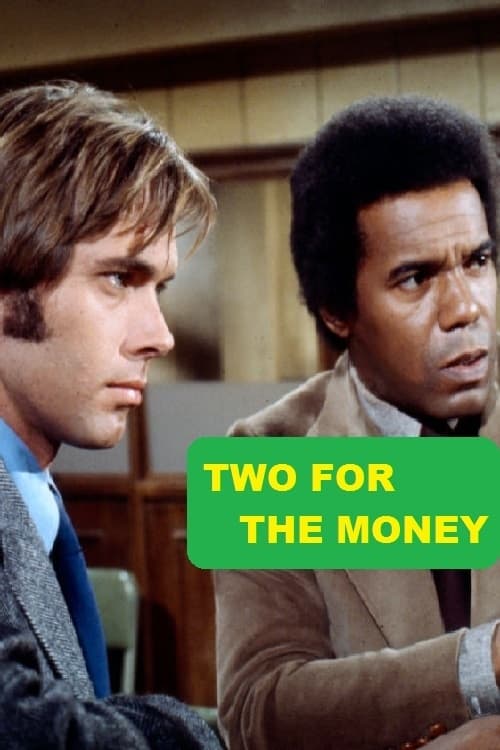
Two cops, who have quit the police department to become private detectives and bounty hunters, hunt for a killer who has eluded capture for years.
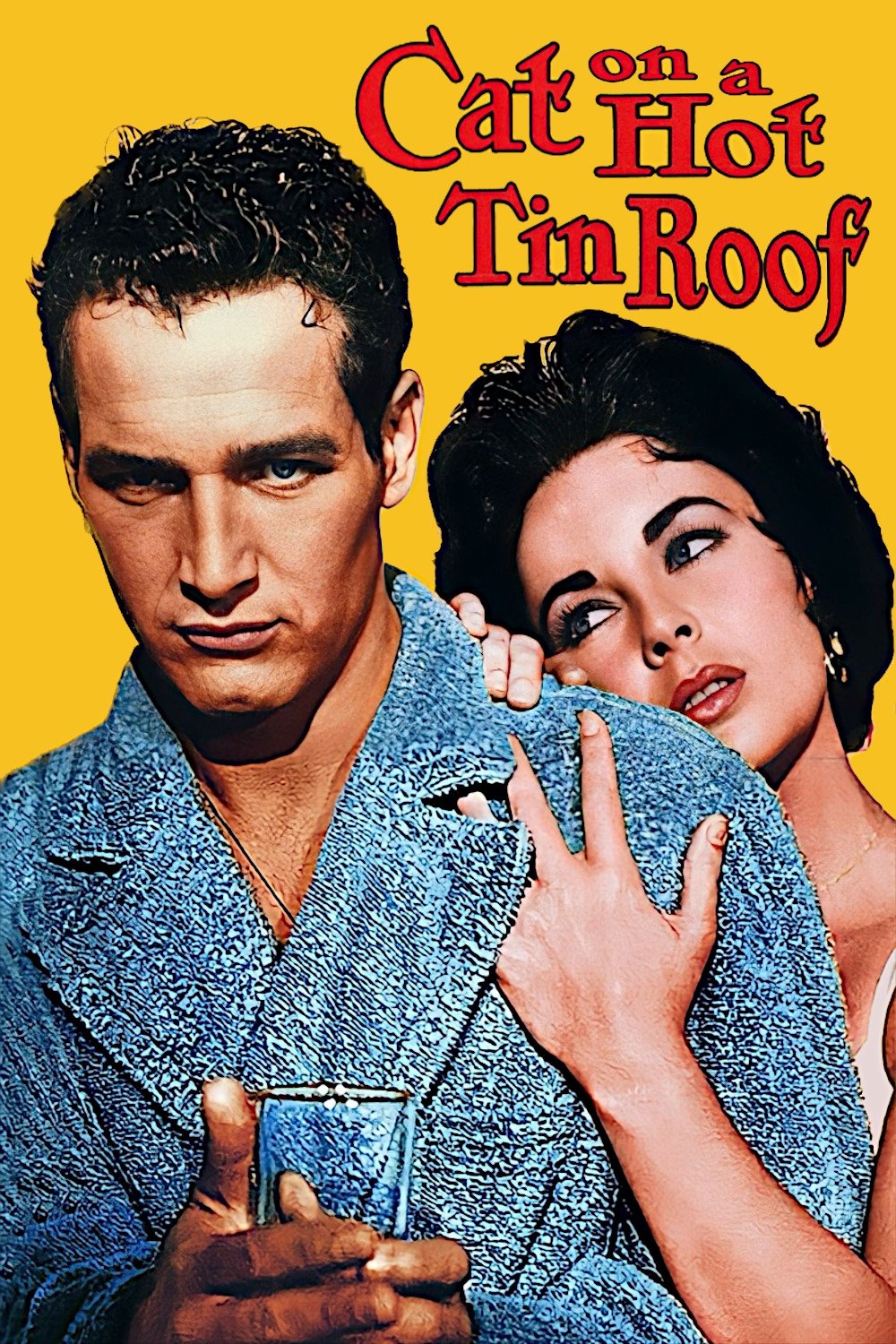
An alcoholic ex-football player drinks his days away, having failed to come to terms with his sexuality and his real feelings for his football buddy who died after an ambiguous accident. His wife is crucified by her desperation to make him desire her: but he resists the affections of his wife. His reunion with his father—who is dying of cancer—jogs a host of memories and revelations for both father and son.
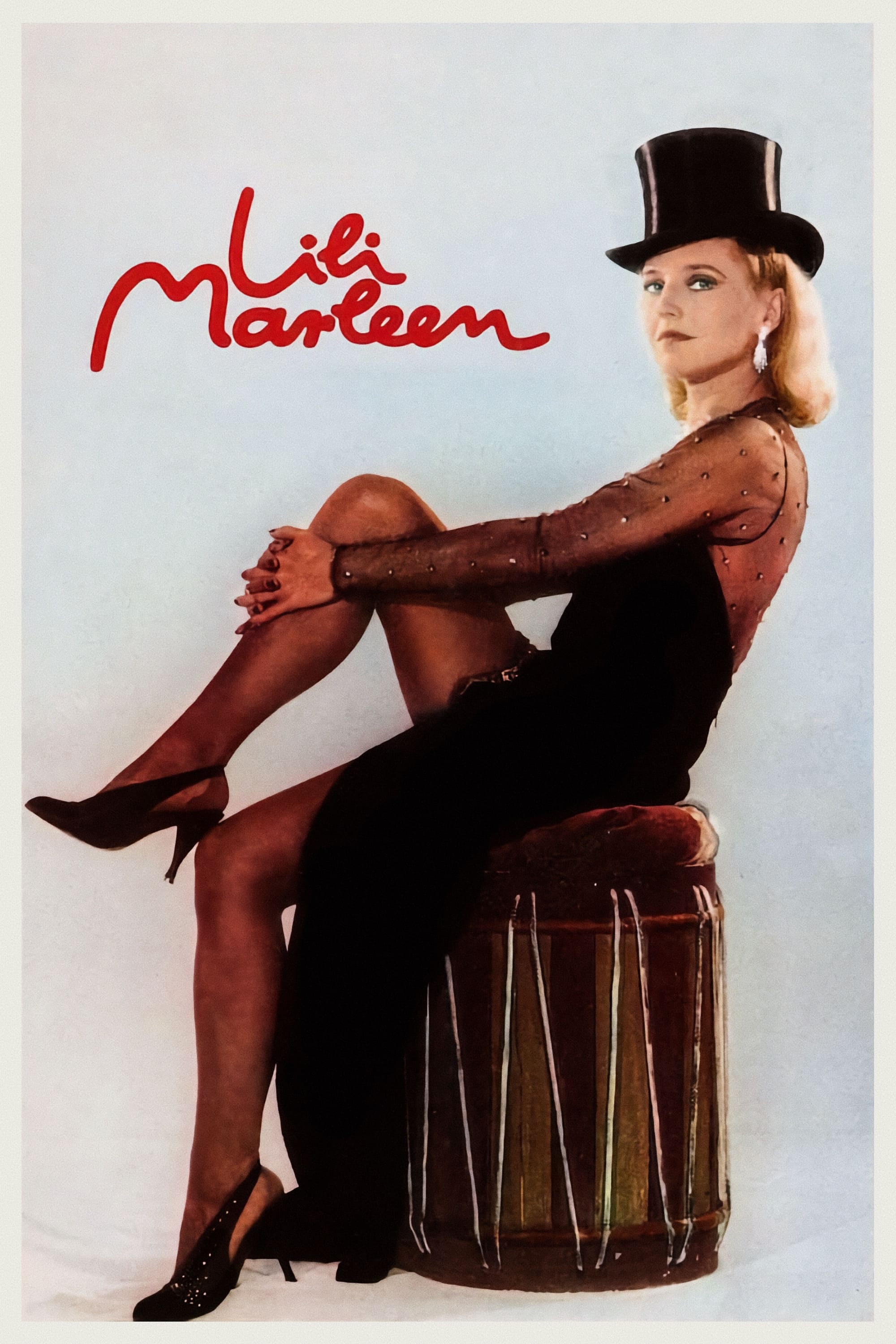
The story of a German singer named Willie, who while working in Switzerland, falls in love with a Jewish composer named Robert, whose family is helping people to flee from the Nazis. Robert’s family is skeptical of Willie, thinking she could be a Nazi as she becomes famous for singing the song “Lili Marleen”.